The five most common summer health problems in pets are insect bites and stings, heatstroke, burns from hot pavement or sunburn, near drowning, and snake bites. Most can be prevented with shade, water, cooler walk times and supervision. Heatstroke, near drowning and snake bites are emergencies that need a vet right away.
Summer means more time outdoors for all of us, including our dogs (and sometimes our cats). That extra fun also brings a few risks. Pet insurer Nationwide identified these five as the most common summertime ailments in its pet insurance claims data:
- Insect bites and stings
- Heatstroke
- Burns from hot concrete, pavement or sunburn
- Near drowning
- Snake bites
Here is how to spot each one, what to do, and how to prevent it.
1. Insect bites and stings
Bees, wasps, ants, mosquitoes and biting flies are all out in force in summer, and curious dogs tend to get stung on the nose, face or paws.
Signs: sudden yelping, pawing at the face, licking one spot, and local swelling, redness or itching.
What to do:
- If you can see a stinger, scrape it out sideways with a card instead of squeezing it.
- Apply a cool compress for a few minutes to reduce swelling.
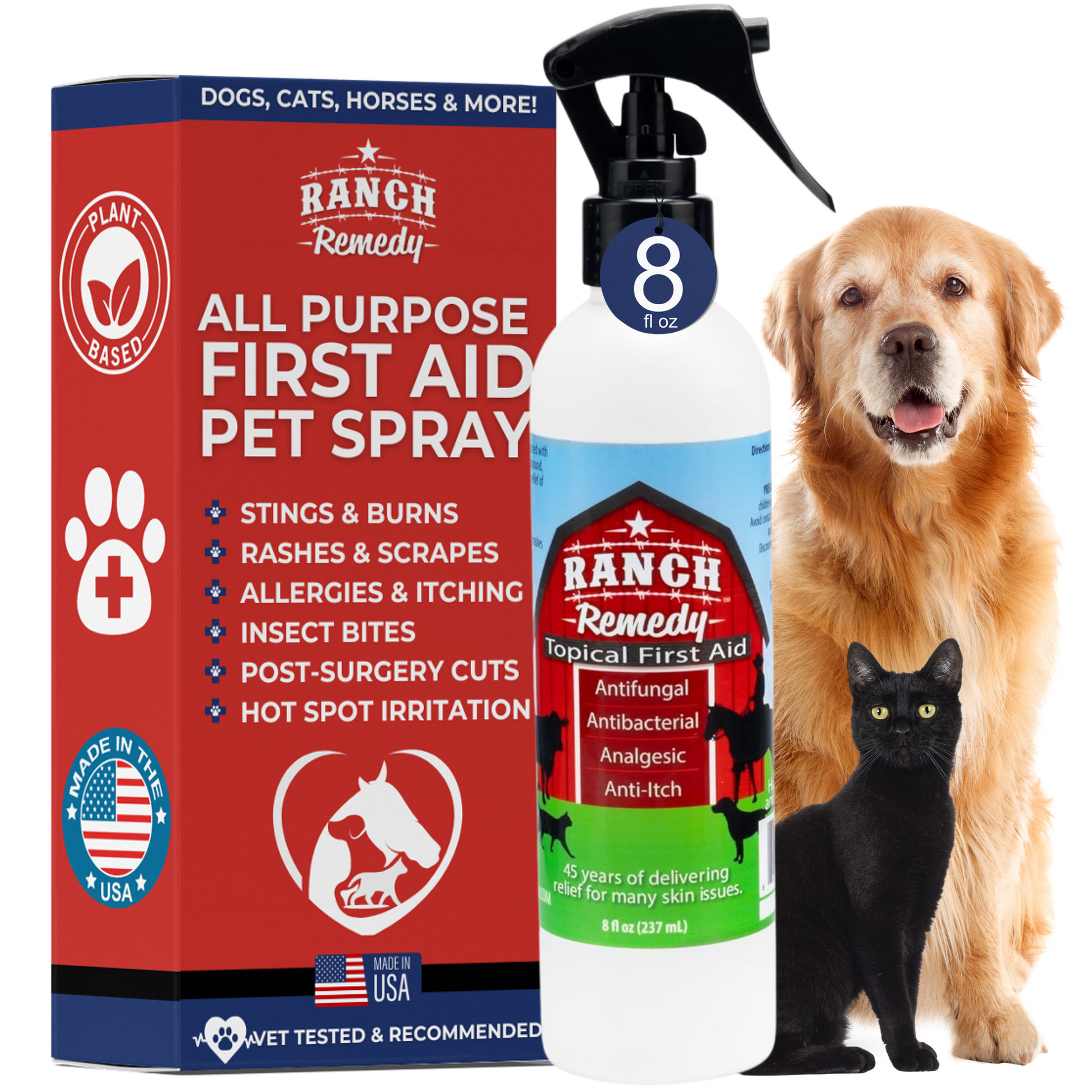
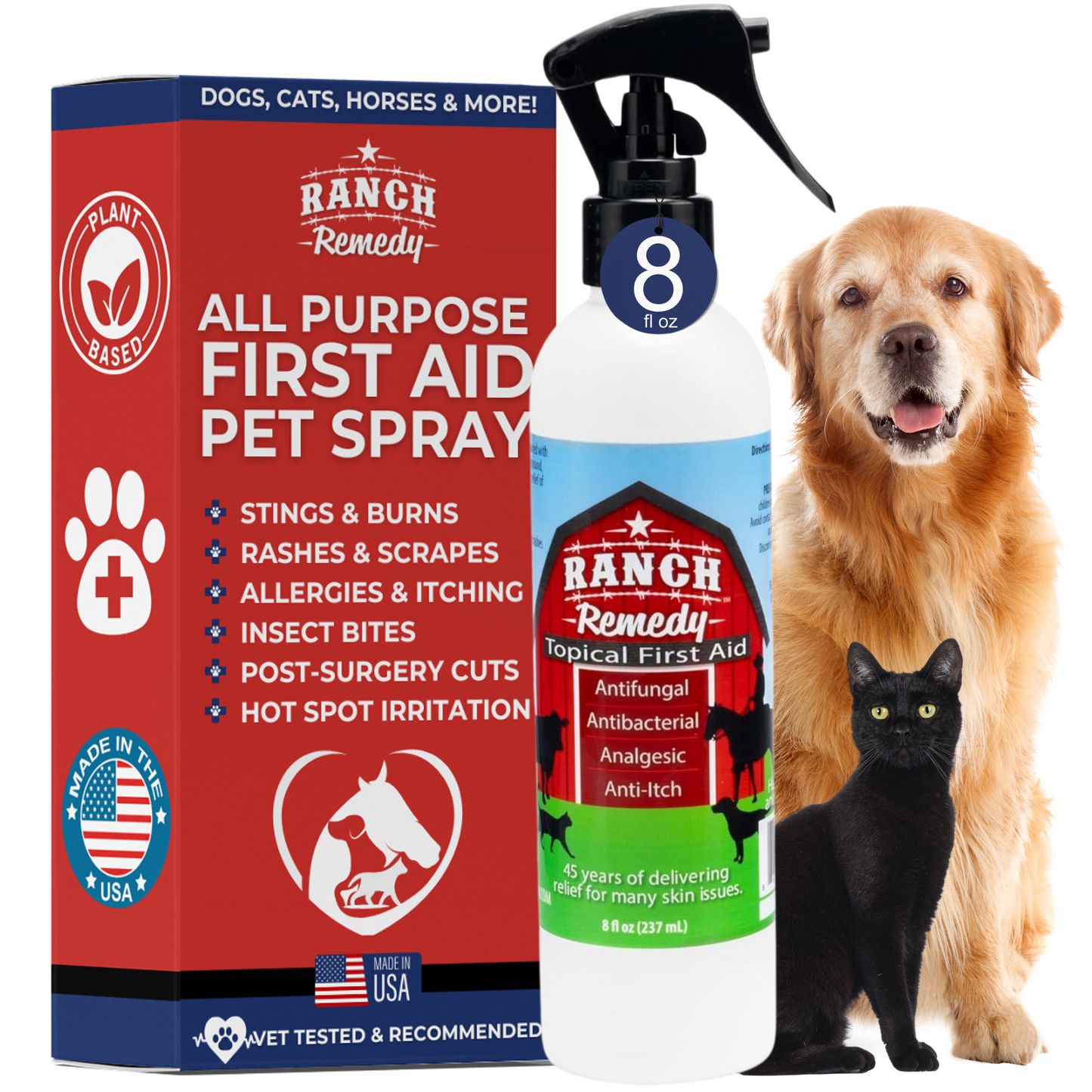
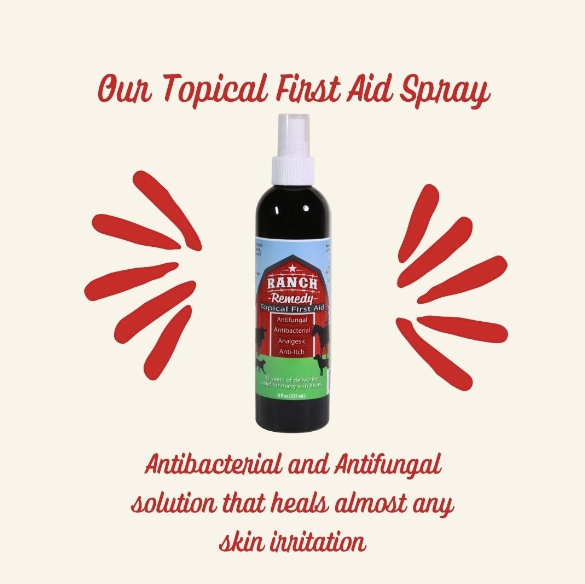
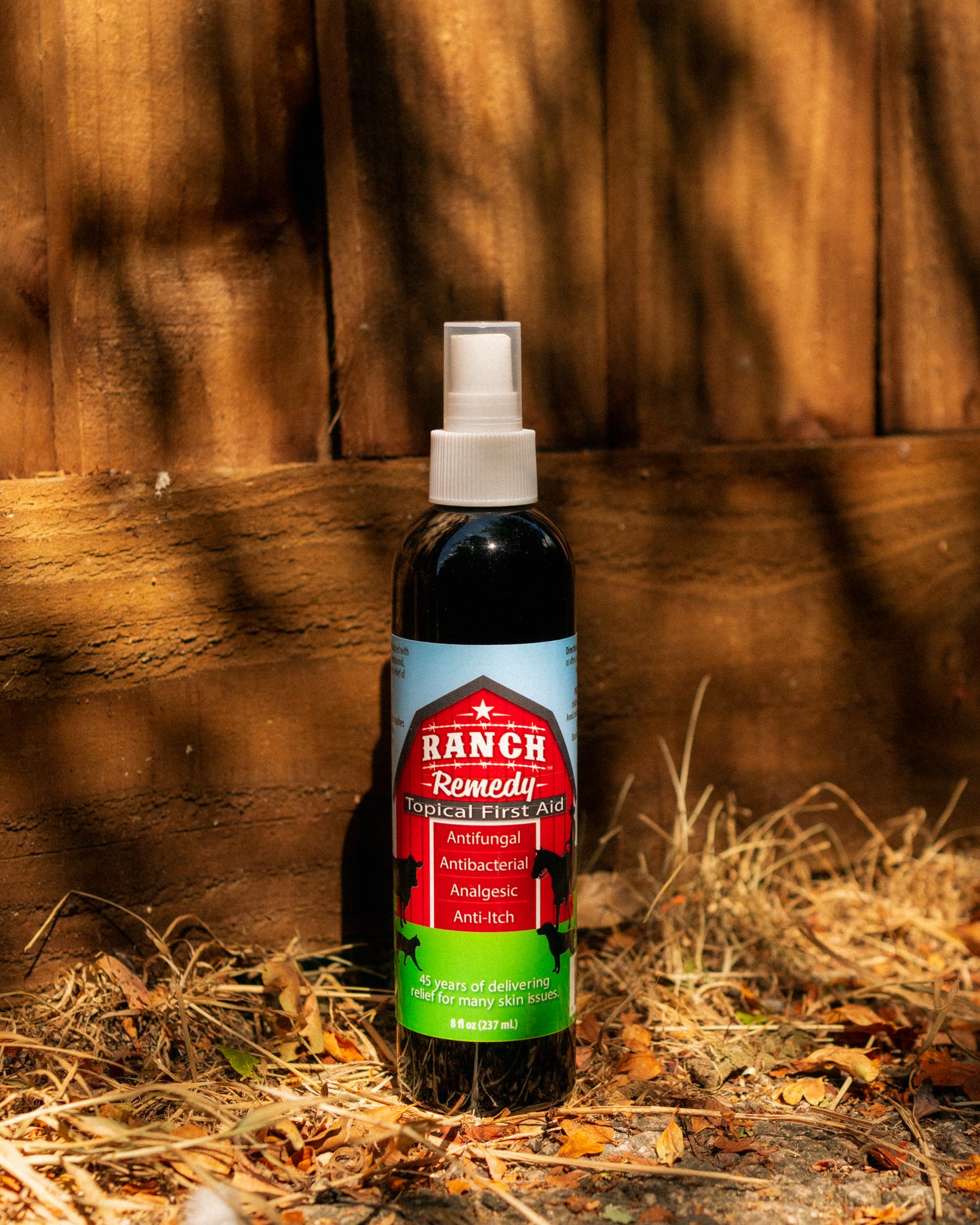
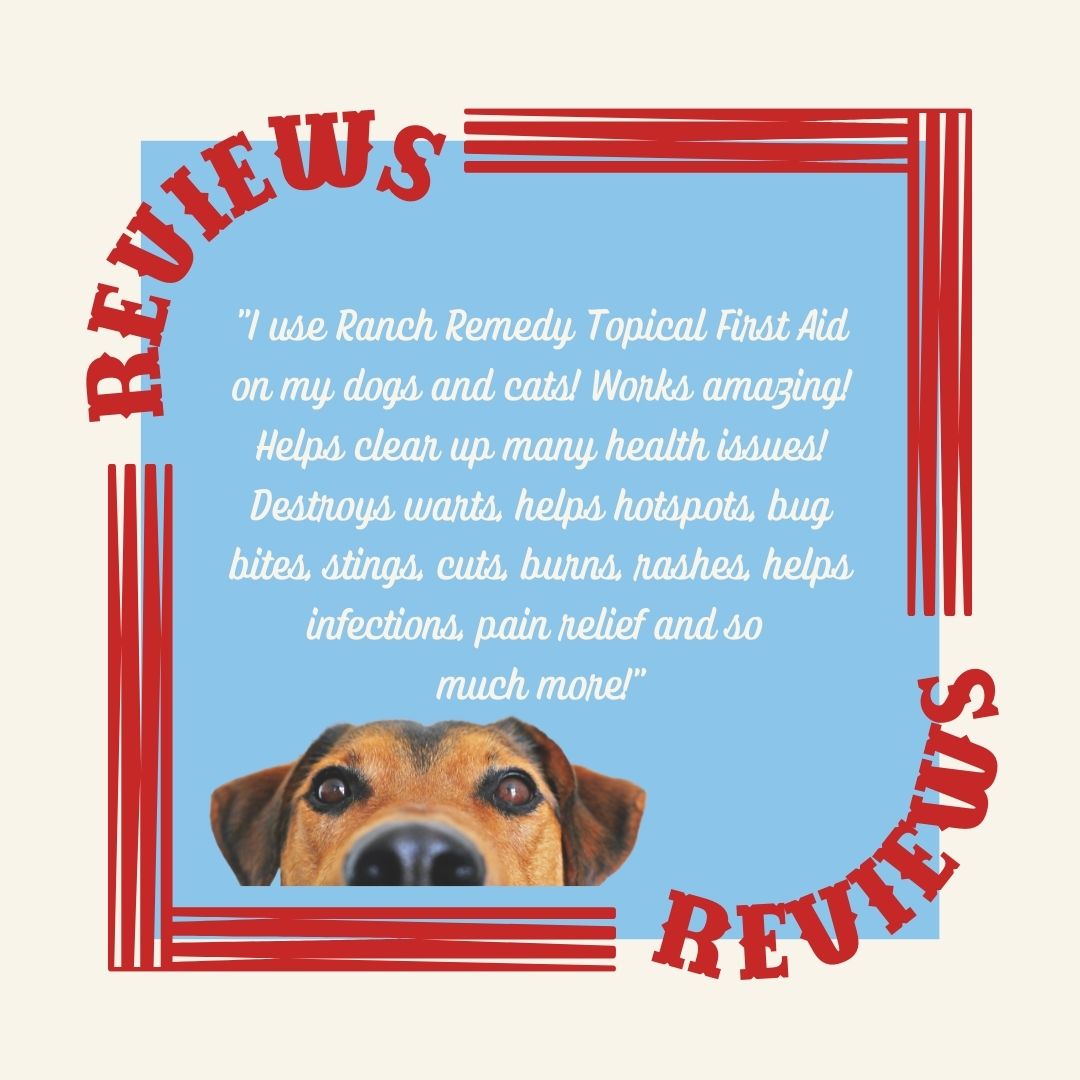
- Once the area has settled, a pet-safe first aid spray such as Ranch Remedy Topical First Aid can soothe minor bites and stings. Use it twice a day for 7 to 10 days.
- Keep your pet from scratching or licking the spot.
Get emergency care if you see swelling of the face or throat, hives, trouble breathing, vomiting, weakness or collapse. These can be signs of a serious allergic reaction.
Prevention: keep your dog away from nests and hives, and check them for ticks after walks in tall grass or woods.
2. Heatstroke
Dogs cool themselves mainly by panting, which does not work well in high heat and humidity. Flat-faced breeds, overweight dogs, senior dogs and dogs with thick coats are at the highest risk.
Signs: heavy panting, drooling, bright red gums, weakness, stumbling, vomiting and collapse.
What to do:
- Move your pet into shade or air conditioning immediately.
- Cool them with cool (not ice-cold) water, especially on the belly and paws, and use a fan if you have one.
- Offer small amounts of water if they are alert.
- Go to a vet right away, even if your pet seems to recover. Heatstroke can cause internal damage you cannot see.
Prevention: never leave a pet in a parked car, even for a few minutes with the windows cracked. Walk early in the morning or late in the evening, always provide shade and fresh water, and cut exercise short on hot, humid days.
3. Burns from hot pavement and sunburn
Asphalt, concrete, sand and even truck beds can get far hotter than the air in direct sun and can burn paw pads within seconds.
Signs of paw burns: limping, refusing to walk, licking the paws, and pads that look darker, red, blistered or peeling.
Signs of sunburn: red, tender skin on the nose, ear tips or belly, especially in pets with light-colored or thin fur, pink noses or little hair.
What to do:
- Move your pet onto grass or into the shade.
- Cool the area with cool running water or a cool, wet cloth for several minutes. Do not use ice, butter or human burn creams.
- For a minor burn, once the skin has cooled, a gentle pet-safe spray can soothe it.
- See a vet for blisters, open or raw pads, large areas of sunburn, or any burn that is not improving.
Prevention: use the seven-second test. Press the back of your hand to the pavement for seven seconds, and if it is too hot for you, it is too hot for your dog's paws. Walk on grass when you can, and ask your vet about a pet-safe sunscreen for pets that burn easily. Avoid human sunscreens with zinc oxide, which is harmful if licked.
For more on keeping paws healthy, see our dog paw care guide.
4. Near drowning
Not every dog is a strong swimmer, and even good swimmers can tire quickly, get caught in a current, or be unable to find the way out of a pool.
Signs after being pulled from water: coughing, trouble breathing, pale or bluish gums, weakness or confusion.
What to do: get your pet out of the water, keep them warm and calm, and take them to a vet right away, even if they seem fine. Breathing problems can develop hours after inhaling water.
Prevention: always supervise pets around pools, lakes and rivers, use a dog life jacket on boats and in open water, and teach your dog where the pool steps are. Keep pets out of water that looks scummy or discolored, as blue-green algae can be toxic.
5. Snake bites
Snakes are most active in warm weather, and dogs exploring brush, tall grass and rocks are most likely to be bitten, usually on the face or legs.
Signs: sudden pain, puncture marks, rapid swelling, bleeding, drooling, weakness or collapse.
What to do:
- Assume the snake is venomous and go to a vet or emergency clinic immediately. Call ahead so they can prepare.
- Keep your pet as calm and still as possible. Carry them if you can.
- Do not cut the wound, try to suck out venom, apply ice or use a tourniquet.
- If it is safe, take a photo of the snake from a distance. Do not try to catch or kill it.
Prevention: keep dogs on a leash on trails, stay out of tall grass and rock piles, and ask your vet about snake avoidance training if you live in snake country.
Your summer first aid checklist
- Fresh water and a collapsible bowl on every outing
- Your vet's number, the nearest emergency clinic, and a pet poison control line saved in your phone
- Gauze, bandage wrap, saline, tweezers and a tick remover
- A pet-safe first aid spray for minor bites, stings, scrapes and rashes
- A cooling mat or towel you can wet down
- A dog life jacket if you spend time on the water
For the full list, see our pet first aid kit checklist and emergency tips.
Where Ranch Remedy fits
For everyday summer skin troubles, including minor insect bites, stings, scrapes, rashes and minor burns once cooled, we recommend Ranch Remedy Topical First Aid. Apply it to the area twice a day for 7 to 10 days to see improvement. It is a plant-based, 8 oz spray made for dogs, cats and horses, so one bottle covers the whole household and the barn.
For heatstroke, near drowning and snake bites, skip the first aid kit and go straight to the vet.
Get ready for summer. Shop Ranch Remedy Topical First Aid, the plant-based first aid spray for dogs, cats and horses.
This article is for general information and is not a substitute for veterinary advice. In an emergency, contact your veterinarian or nearest emergency animal hospital right away.