A pet first aid kit should include your vet and poison control phone numbers, your pet's medical records, gauze, non-stick bandages, medical tape, blunt scissors, tweezers, a digital thermometer, saline, a muzzle, a leash and a pet-safe first aid spray. First aid buys time. Always follow it with veterinary care.
What would you do if...
- ...your dog ate a bar of semi-sweet chocolate left out on the coffee table?
- ...your cat had a seizure right in front of you?
- ...your dog was overheating on a hot summer day?
- ...your cat was suddenly limping?
Emergencies happen fast, and the moments before you reach the vet matter. This guide covers what to keep in your pet first aid kit, how to handle an injured animal safely, and what to do in the most common situations, including the four above.
Important: First aid is not a substitute for veterinary care. It can protect your pet and even save their life until they get proper treatment, but any serious injury or illness needs to be seen by a veterinarian as soon as possible.
Save these numbers now
- Your regular veterinarian
- Your nearest 24-hour emergency animal hospital
- ASPCA Animal Poison Control Center: (888) 426-4435, open 24/7
- Pet Poison Helpline: (855) 764-7661, open 24/7
Both poison lines are staffed by veterinary toxicology experts and may charge a consultation fee. Put these numbers in your phone and write them on a card inside your first aid kit.
Pet first aid kit checklist
Many items from your family's first aid kit work for pets too. The American Veterinary Medical Association recommends keeping a kit of basic supplies for the pets in your household. Here is what to include.
Paperwork
- Phone numbers for your vet, an emergency clinic and poison control
- A copy of your pet's medical records, vaccinations and current medications
- A recent photo of your pet, in case they get lost
Wound care
- Gauze pads and gauze rolls
- Non-stick bandage pads
- Self-adhering bandage wrap (the kind that sticks to itself, not to fur)
- Medical adhesive tape. Avoid human adhesive bandages, which stick to fur.
- Sterile saline for flushing wounds and eyes
- Cotton balls and cotton swabs
- Styptic powder for a bleeding nail
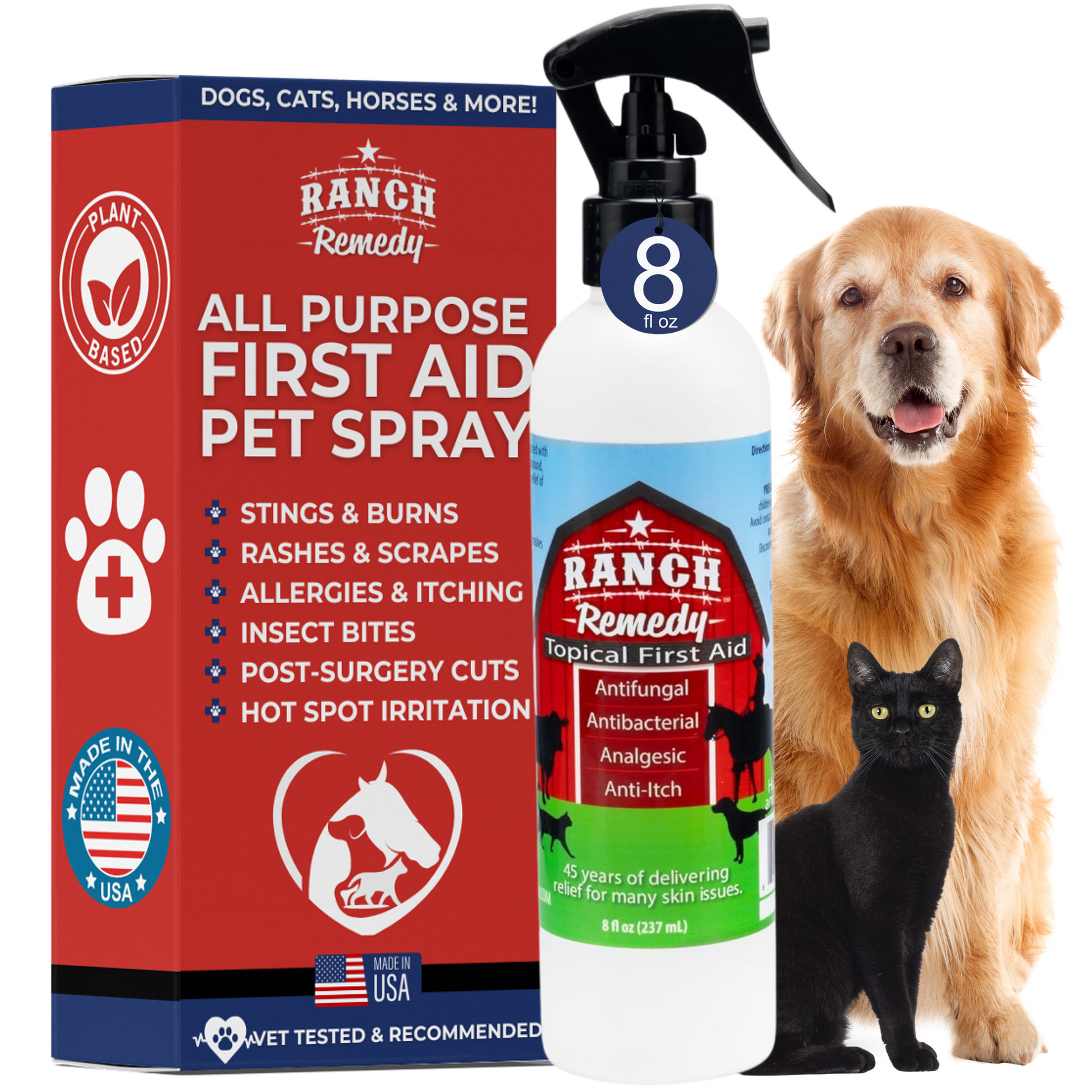
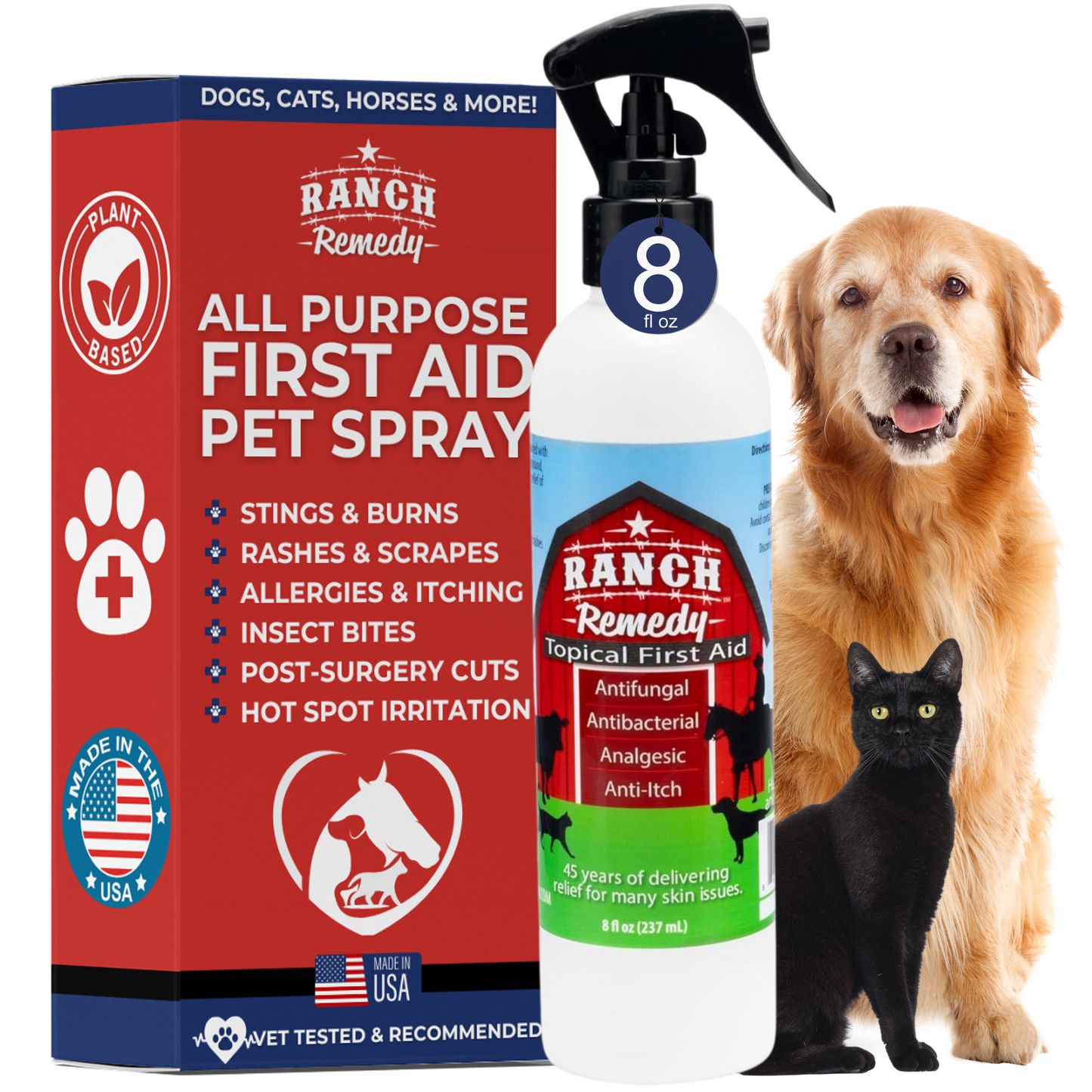
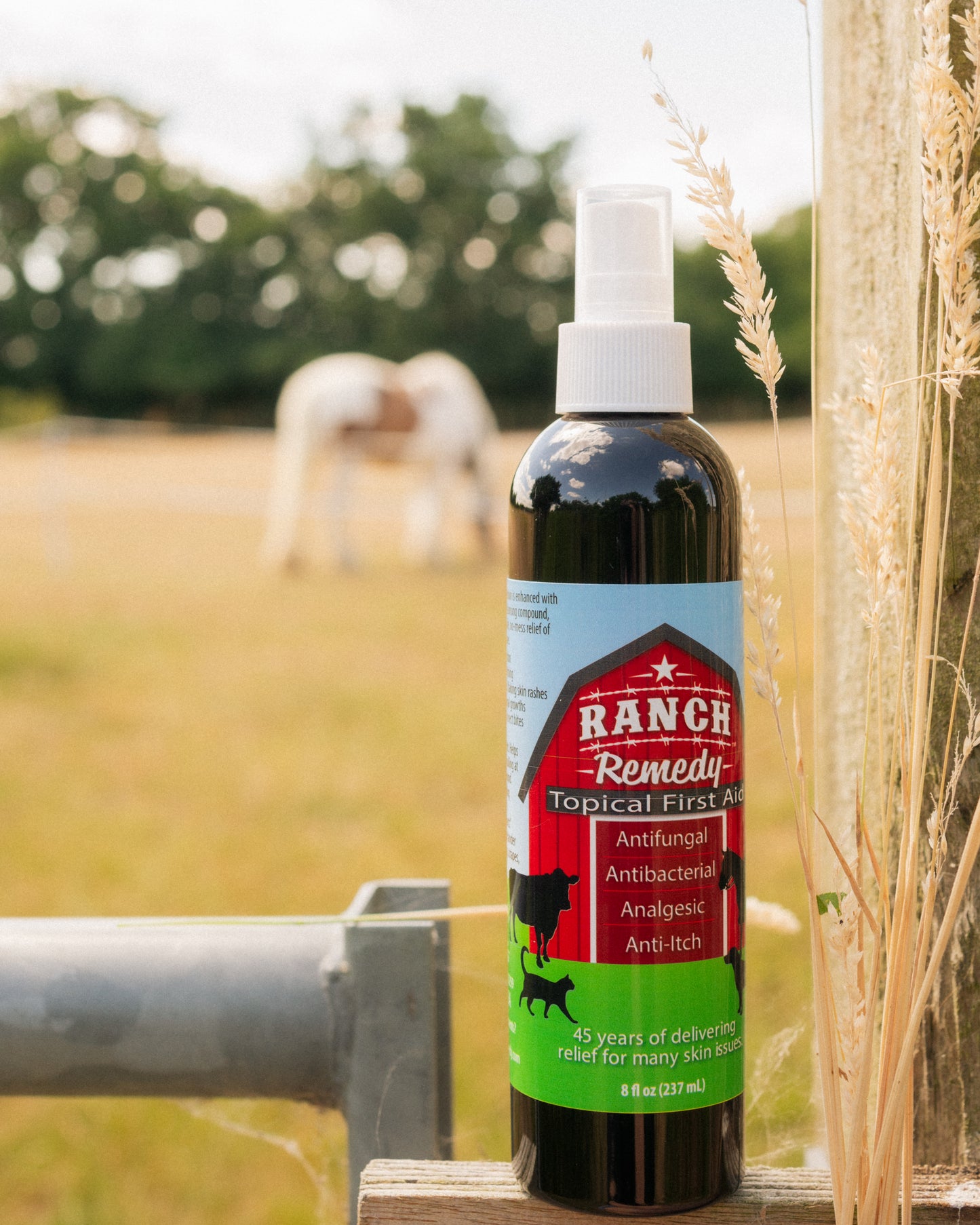
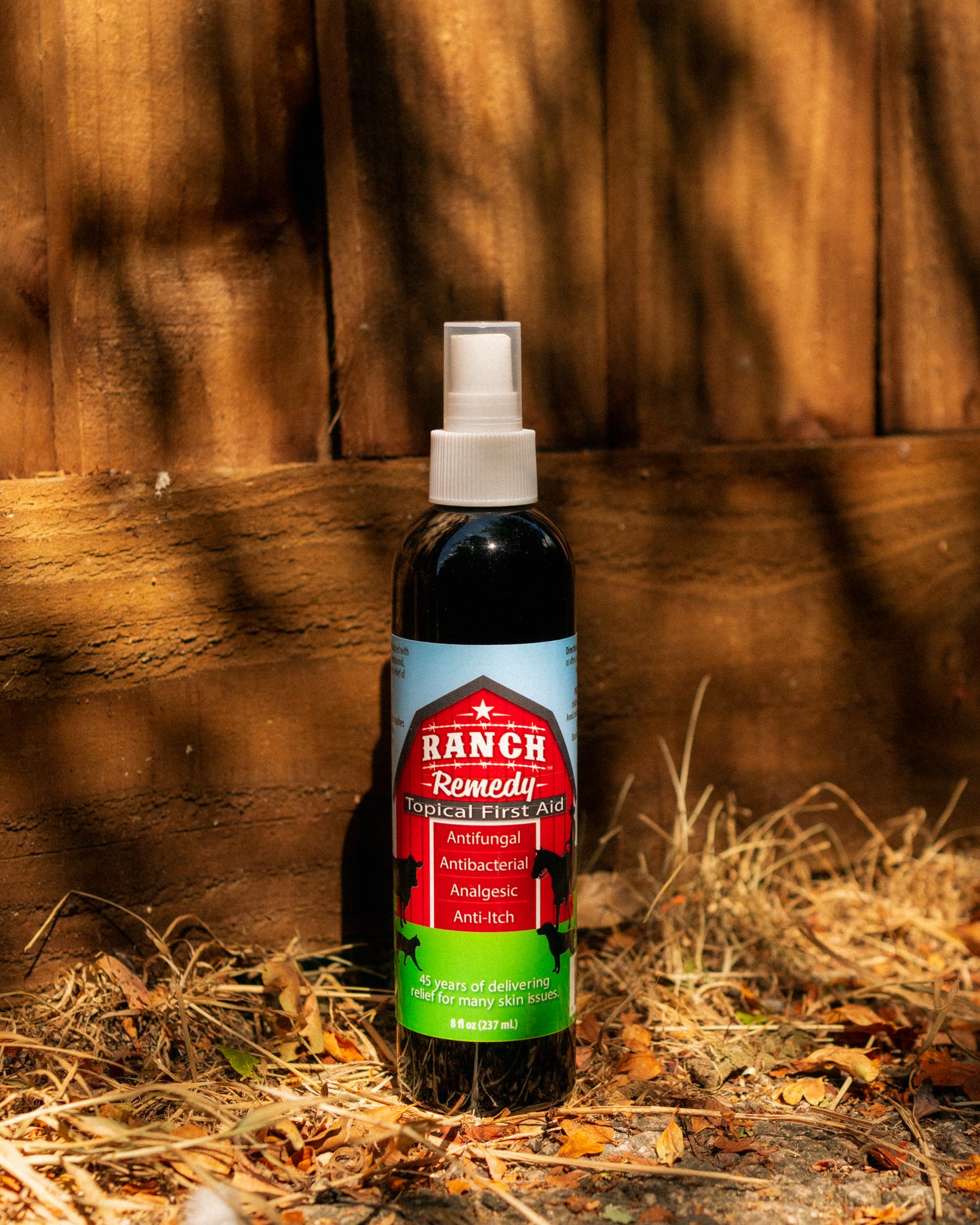
- A pet-safe first aid spray for minor cuts, scrapes, bites and stings, such as Ranch Remedy Topical First Aid
Tools
- Blunt-tip scissors for cutting bandages and trimming fur around a wound
- Tweezers and a tick remover
- A digital thermometer and water-based lubricant
- A syringe or eye dropper for flushing wounds or giving liquids
- Disposable gloves
- A small flashlight
Handling and transport
- A muzzle sized for your dog, or a soft cloth that can be used as one
- A spare leash and collar
- A towel or blanket for warmth, restraint or carrying
- A pet carrier for cats and small animals
Only with instructions from your vet or poison control
- 3% hydrogen peroxide. Vets and poison control sometimes tell owners to use it to make a dog vomit after swallowing something toxic. Never use it for this unless a professional tells you to. Vomiting can make some poisonings worse.
How to handle an injured pet safely
Pain and fear can make even the gentlest animal unpredictable. Never assume your pet will not bite or scratch you. Your first instinct will be to hug them, but that can frighten them more or cause them pain.
- Approach slowly and speak calmly.
- Examine the injury gently, and stop if your pet becomes agitated.
- If your dog might bite, use a muzzle or a soft cloth loop. Never muzzle a pet that is vomiting or having trouble breathing.
- Wrap cats and small dogs loosely in a towel, keeping their nose uncovered.
- Move an injured pet on a flat, firm surface, such as a board or a blanket held taut, to support the body.
- Call ahead to the vet or emergency clinic so they are ready when you arrive.
What to do in common emergencies
If your dog eats chocolate
Call your vet or a poison control line right away. Do not wait for symptoms. Note what kind of chocolate it was, roughly how much was eaten, and when. The darker the chocolate, the more dangerous it is, so semi-sweet, dark and baking chocolate are the most concerning. Do not make your dog vomit unless you are told to.
If your pet has a seizure
- Stay calm and move furniture and objects away so your pet cannot get hurt.
- Keep your hands away from their mouth. Pets do not swallow their tongues.
- Time the seizure, and keep the room quiet and dim.
- Call your vet once it ends. A seizure lasting more than a few minutes, or several seizures in a row, is an emergency.
If your dog is overheating
Signs include heavy panting, drooling, bright red gums, weakness, vomiting and collapse.
- Move them into shade or air conditioning right away.
- Cool them with cool (not ice-cold) water, especially on the belly and paws, and use a fan if you have one.
- Offer small amounts of water if they are alert.
- Get to a vet immediately, even if they seem to recover. Heatstroke can cause internal damage that is not visible.
If your pet is suddenly limping
- Keep them calm and limit their movement.
- Check the paw for thorns, grass seeds, cuts or a broken nail. Our paw care guide covers what to look for.
- Never give human pain medicine. Ibuprofen, naproxen and acetaminophen can be toxic to pets, and acetaminophen is especially dangerous for cats.
- See a vet if your pet will not put weight on the leg, if there is swelling or an obvious deformity, or if the limp is not improving within a day.
If your pet is bleeding
Press firmly on the wound with gauze or a clean cloth for several minutes. If blood soaks through, add more layers on top instead of removing the first one. Bleeding that will not stop, or any deep wound, needs a vet right away.
If your pet has a minor cut or scrape
- Rinse the area with clean water or saline.
- Trim the fur around it so you can see the skin.
- Pat dry and apply a pet-safe first aid spray. Ranch Remedy Topical First Aid is used twice a day for 7 to 10 days.
- Keep your pet from licking it, and watch for swelling, heat or discharge.
Punctures, bites from another animal and deep cuts should always be seen by a vet, even if they look small.
If your pet is stung by a bee or wasp
If you can see the stinger, scrape it out sideways with a card instead of squeezing it. Apply a cool compress to reduce swelling. Once the area has settled, a pet-safe spray can soothe minor stings and insect bites. Get emergency care if you see swelling of the face or throat, hives, trouble breathing, vomiting or collapse.
If your pet has a minor burn
Cool the area with cool running water or a cool, wet cloth for several minutes. Do not use ice, butter or human burn creams. Anything larger than a small spot, or any burn from chemicals or electricity, needs a vet.
First aid on the road and in emergencies
- Keep a second kit in the car, and pack one whenever you travel with your pet. Look up emergency vets along your route before you leave.
- Keep a kit in the barn if you have horses or livestock. Scrapes, bites and cracked skin happen there too, and our horse wound care guide covers what to keep on hand.
- Be ready for natural disasters. Add several days of food, water and medication to your pet's emergency kit, keep their ID tags and microchip details up to date, and include a carrier and your pet's records.
- Check your kit twice a year. Replace anything used or expired.
For seasonal risks, see our guides to common summer ailments and winter skincare for pets.
Build your kit today. Ranch Remedy Topical First Aid is an 8 oz plant-based spray for minor cuts, scrapes, bites, stings and itchy skin on dogs, cats and horses.
This article is for general information and is not a substitute for veterinary advice. In an emergency, contact your veterinarian or nearest emergency animal hospital right away.