To treat a minor horse wound, stop any bleeding with firm pressure, gently hose the area clean with cool water, clip the hair around it, and apply a gentle topical that will not damage healthy tissue. Call your vet for deep cuts, punctures, wounds near a joint or the eye, heavy bleeding or lameness.
Horses are experts at finding ways to get hurt. Fences, trailers, pasture mates and the occasional nail all take their toll, and skin problems like scratches and rain rot show up every wet season. Knowing which wounds you can handle at the barn, and which ones need a veterinarian right away, is one of the most useful skills a horse owner can have.
First, decide: call the vet or treat at the barn?
Many wounds that look small on a horse are far more serious than they appear, especially on the lower legs where joints and tendons sit just under the skin.
Call your veterinarian right away if:
- The wound is deep, gaping, or may need stitches
- It is a puncture wound of any size, especially near a joint or tendon
- The wound is on or near a joint, the lower leg, or the eye
- Bleeding is heavy or will not stop with firm pressure
- You can see bone, tendon or other white or silver tissue
- The wound is very dirty or has wood, wire or debris in it
- Your horse is lame, will not bear weight, or seems to be in shock
- There is a nail or other object in the hoof
- You are not sure how serious it is
If there is a nail in the hoof, try not to pull it out before your vet arrives, unless it is being driven in deeper. According to Purdue University's equine veterinary hospital, leaving it in place lets your vet X-ray the foot and see which structures it has reached.
Know your horse's tetanus status. Horses are very susceptible to tetanus, and puncture wounds carry the highest risk. Your vet will want to know when your horse was last vaccinated, and may give a booster depending on the wound.
How to clean and care for a minor horse wound
For small scrapes, abrasions and shallow cuts away from joints and eyes, you can usually provide care at the barn.
- Stay safe. A horse in pain can kick or strike. Have someone hold your horse, and work from the side rather than directly behind or in front.
- Stop the bleeding. Press a clean pad or gauze firmly on the wound. Add more layers if it soaks through instead of lifting the first one.
- Clean it gently. Cold hose the area with low water pressure to flush out dirt, or rinse it with saline. Do not scrub.
- Clip the hair around the edges so you can see the whole wound and keep hair out of it.
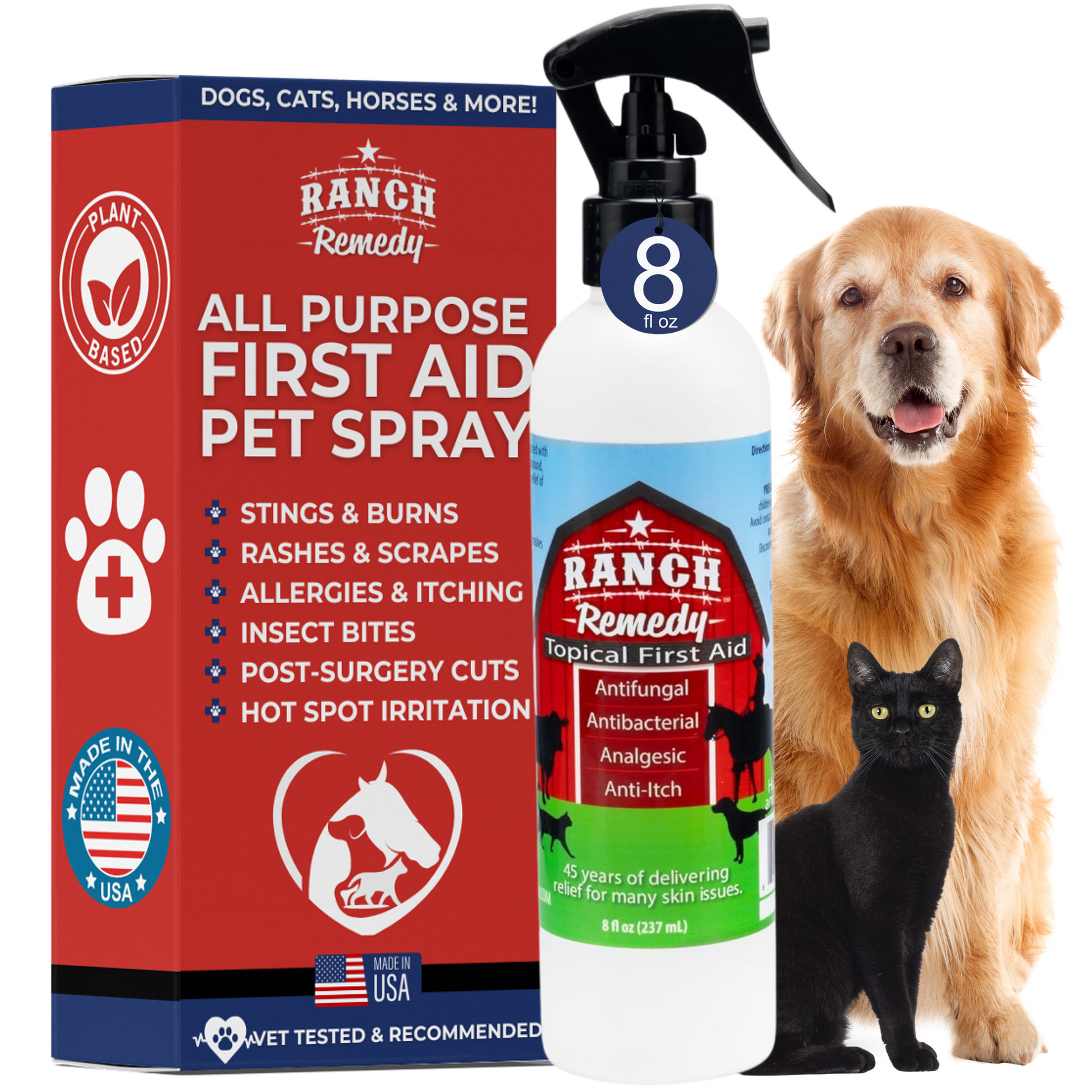
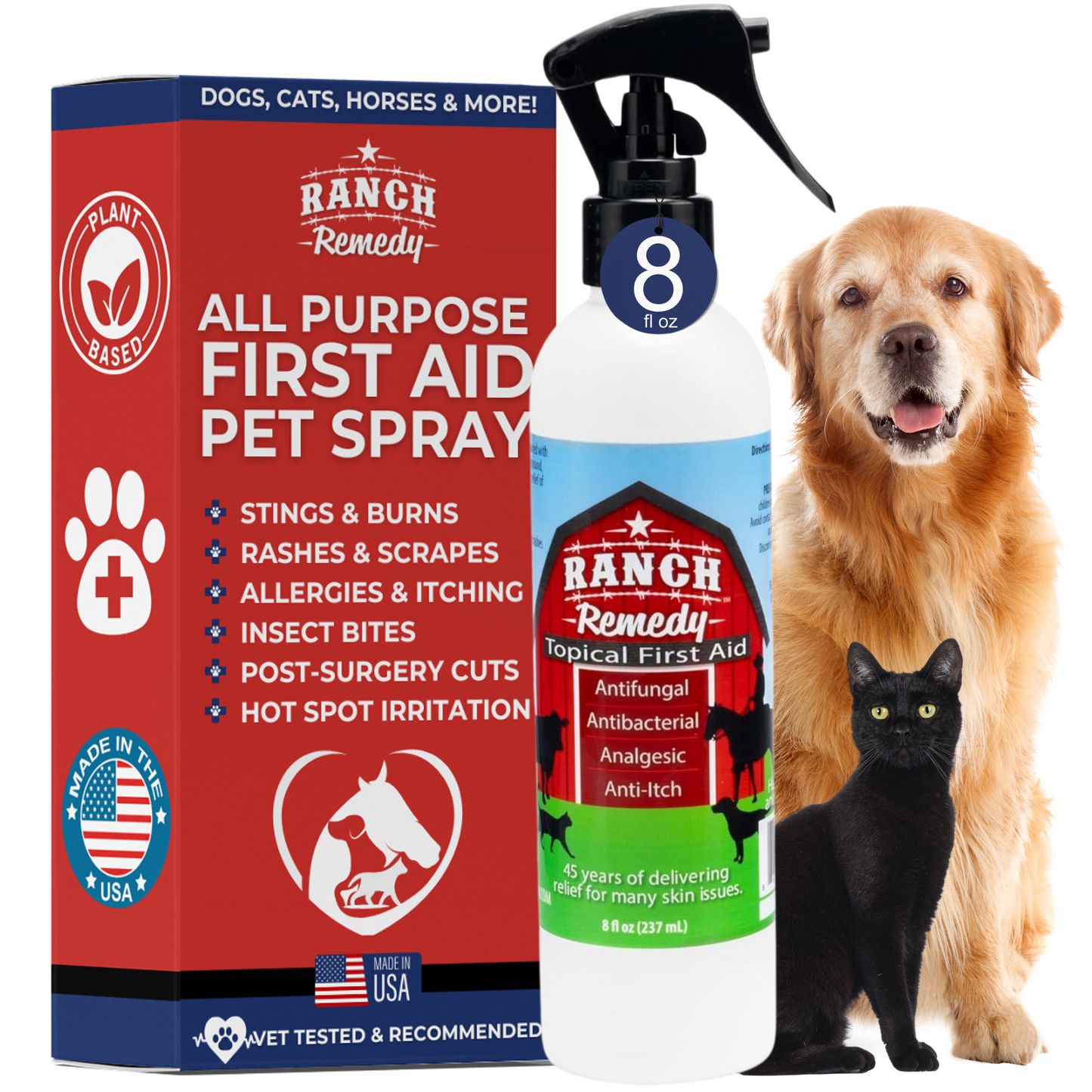
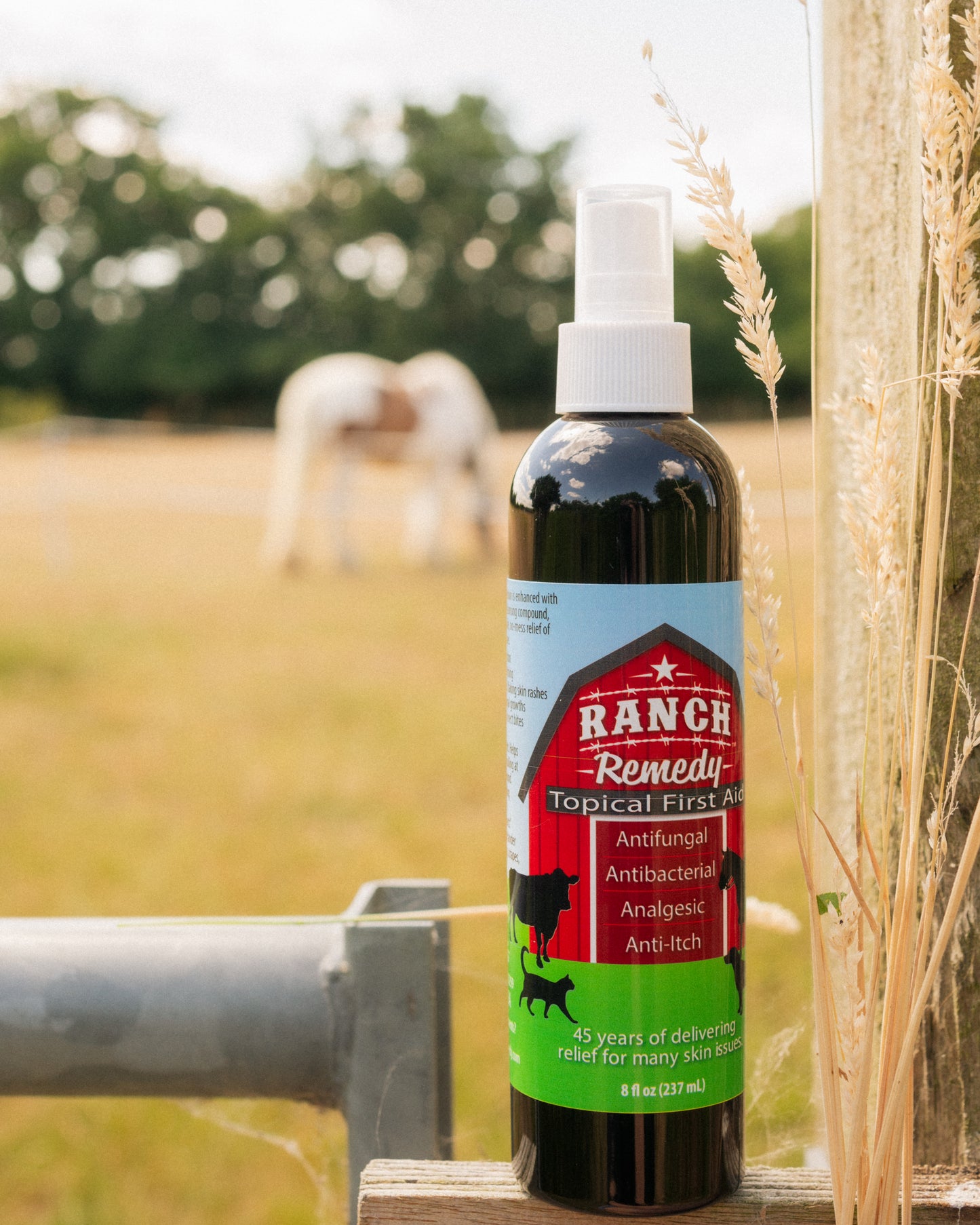
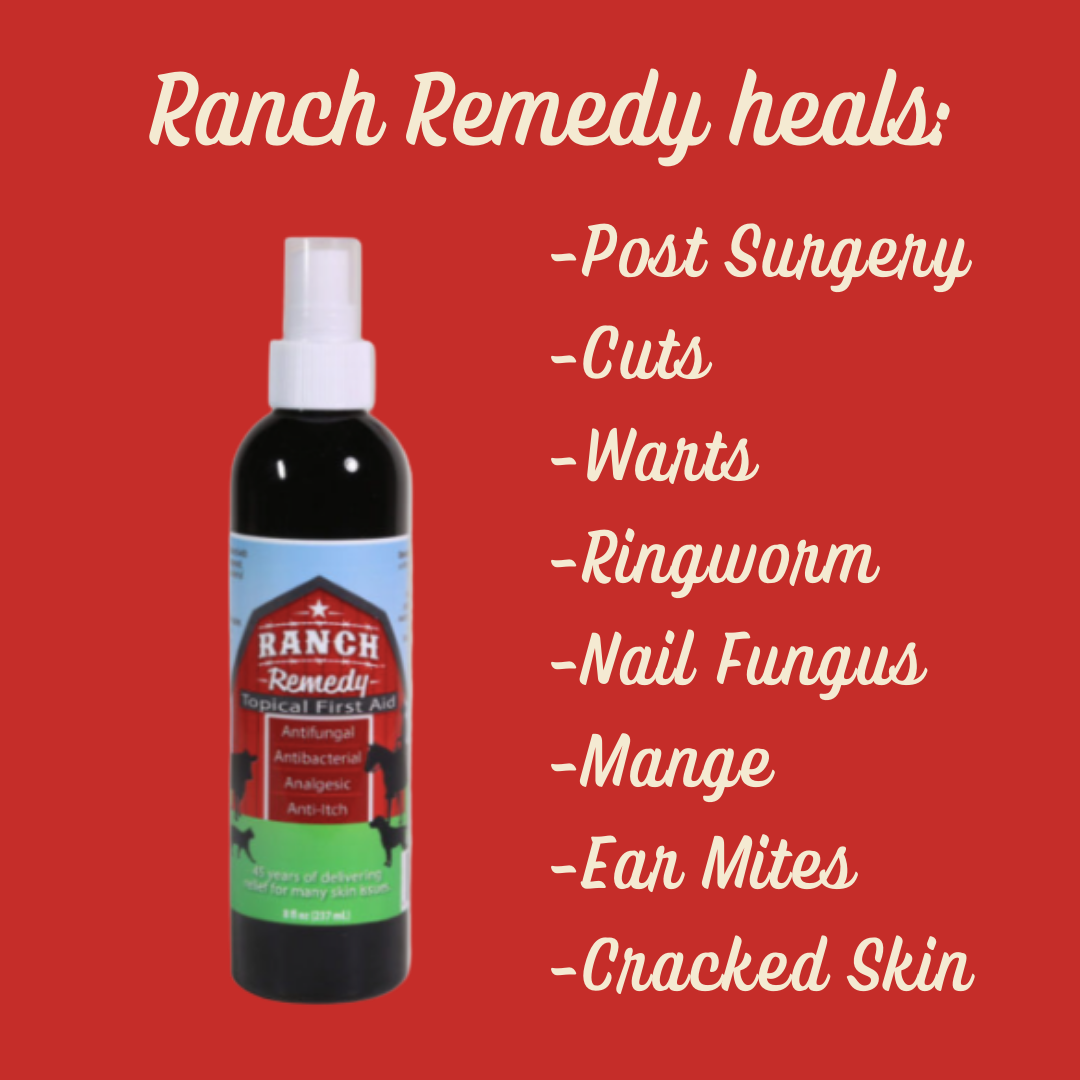
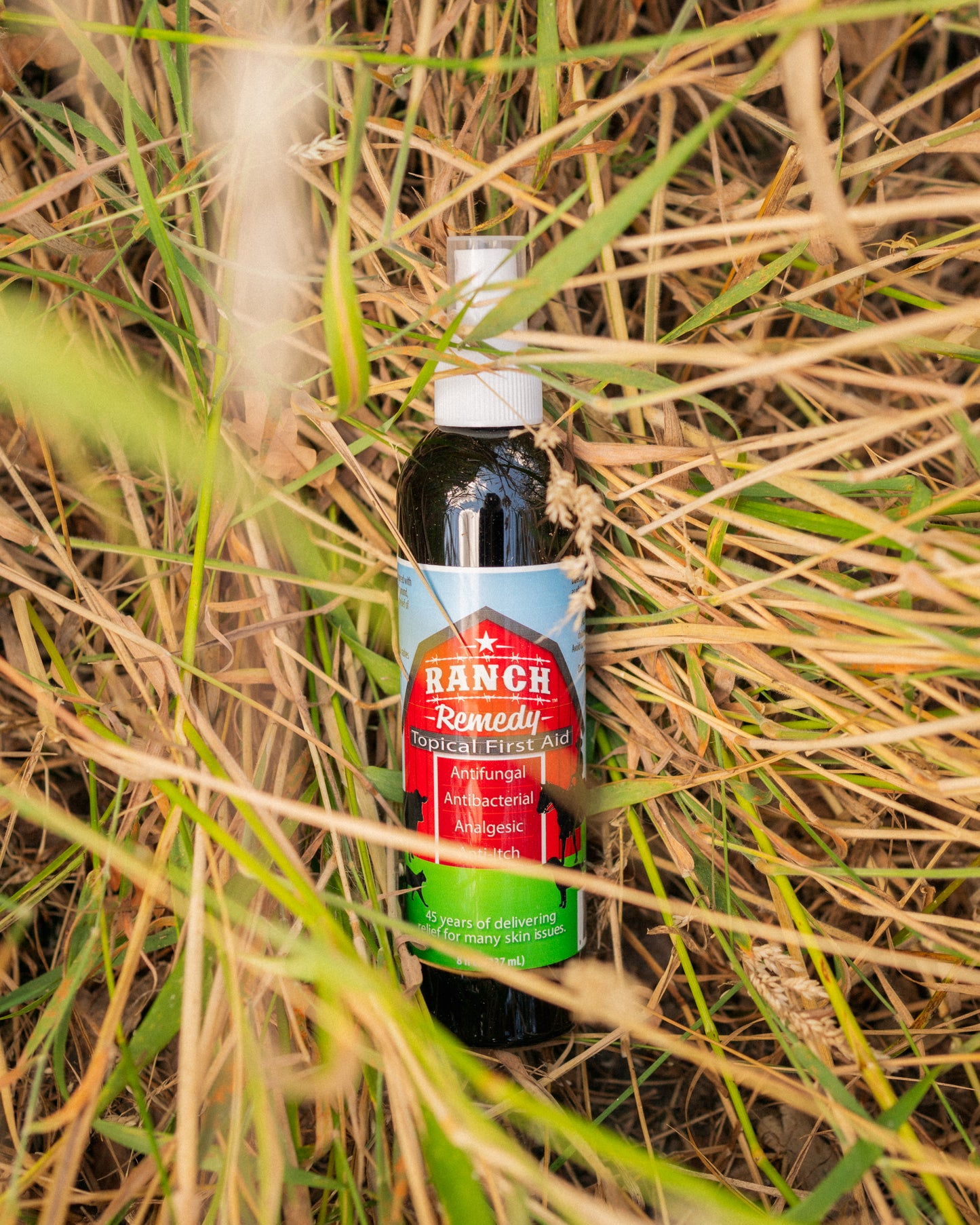
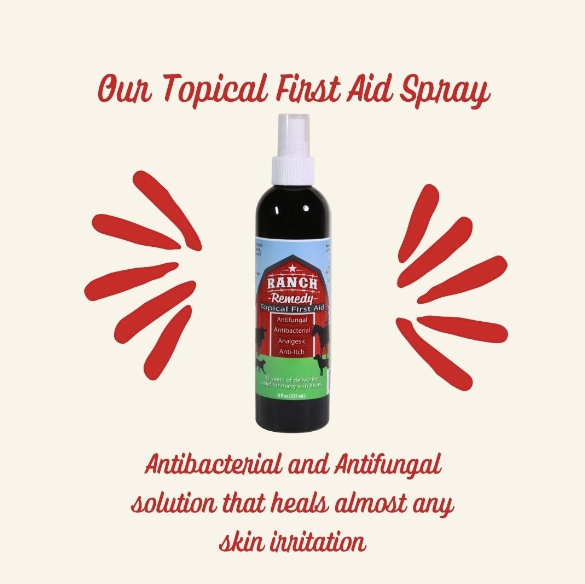
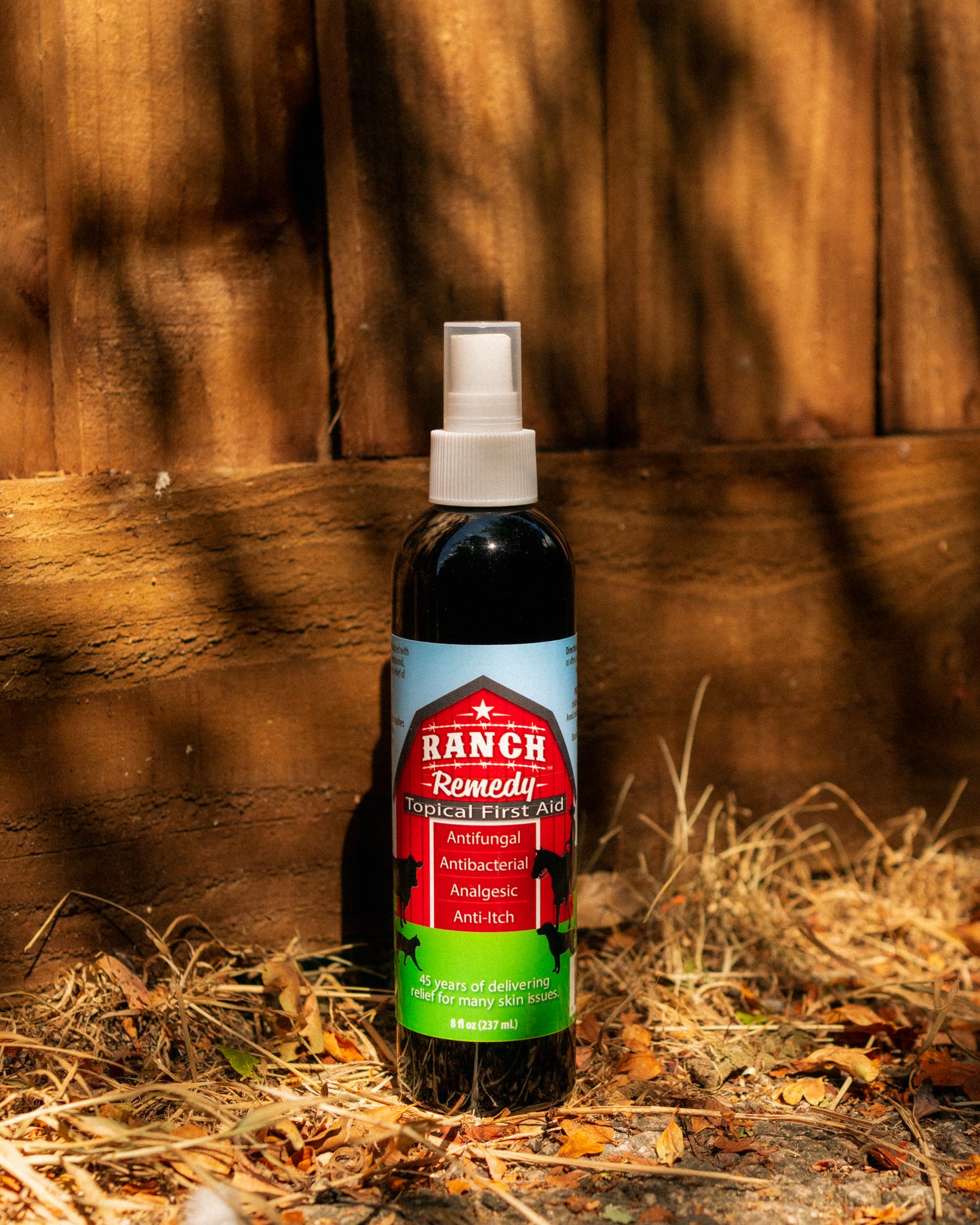
- Apply a gentle topical. Use something that will not burn or damage healthy tissue, such as Ranch Remedy Topical First Aid. Apply it twice a day for 7 to 10 days.
- Protect it. Lower leg wounds may need a bandage to keep them clean, but ask your vet how to wrap a leg correctly, as a poorly applied bandage can cause injury. In summer, use fly control around the wound.
- Check it every day. Watch for heat, swelling, discharge, a bad smell or lameness, and call your vet if any appear.
What to avoid on a horse wound
- Harsh or caustic products on open wounds. Strong iodine preparations and similar products can cauterize and damage healthy tissue. They can heal the surface while leaving a problem underneath.
- Repeated hydrogen peroxide, which damages the healthy cells a wound needs to heal.
- Packing thick ointments into puncture wounds. Punctures need to drain, and your vet should examine them.
- High-pressure water, which can drive dirt deeper.
Watch for proud flesh
Wounds on the lower legs are prone to proud flesh, an overgrowth of pink, bumpy tissue that rises above the skin and stops the wound from closing. If you see it developing, call your vet. It needs professional treatment.
Common horse skin problems
Scratches (pastern dermatitis)
Scratches, also called mud fever or pastern folliculitis, shows up as crusty scabs, sores and cracked skin on the back of the pasterns and heels, often in wet, muddy conditions. Keep the legs as clean and dry as possible, gently remove loose scabs, and keep the area moisturized. Call your vet if the leg swells, your horse goes lame, or it is not improving.
Rain rot (rain scald)
Rain rot causes crusty scabs that lift the hair into small tufts, usually along the back, rump and neck. It is caused by a bacterium that thrives when a horse's coat stays wet, and it can spread between horses through shared brushes, blankets and tack. Keep your horse dry, use separate grooming tools, and call your vet for widespread cases.
Cracked heels and hooves
Cycles of wet and dry weather can leave heels cracked and sore. Keep the area clean and dry, and work with your farrier on trimming and hoof care.
Shoeing sores
Minor rubs and sores around the coronet band or heel can follow shoeing. Keep them clean, and let your farrier know. Any lameness after shoeing should be checked.
Insect bites and stings
Flies, gnats and other insects can leave itchy bumps, especially on the belly, legs and ears. Good fly control helps, and a gentle topical can soothe minor bites. Sudden widespread swelling, hives or trouble breathing needs a vet right away.
Hoof problems: thrush and white line disease
Thrush (a smelly black discharge in the frog) and white line disease (separation along the white line of the hoof wall) are both made worse by wet, dirty conditions. Both need your farrier, and sometimes your vet, to trim and treat the affected areas properly. Keeping hooves clean and dry between visits helps prevent them.
Ringworm
Ringworm causes circular patches of hair loss and scaly skin. It is a fungal infection that spreads between horses, and it can also spread to people, so have your vet confirm it and wash your hands and gear after handling an affected horse.
Why farriers like Ranch Remedy
We made Ranch Remedy as an all-around topical for horses: a natural, plant-based formula that is quick, safe and no mess. Our signature blend has been in use for over 40 years, and we used it on ourselves before we ever used it on our animals.
Farriers appreciate that it is gentle. It does not burn or cauterize tissue the way some harsh hoof products can, so the horse stays calmer while it is being applied. There is nothing more frustrating, or more dangerous, for a farrier than a horse that is in pain from the product being used on it.
When we partnered with InfoHorse, horse owners put it to work on everyday problems, including:
- Abrasions and minor cuts
- Cracked heels and hooves
- Shoeing sores
- Scratches (pastern folliculitis)
- Rain rot
- Insect bites and stings
Ann Pruitt of InfoHorse.com uses it to help keep her Morgan's hooves healthy and protected during the rainy 'mud' season that always caused me so much trouble.
Apply it twice a day for 7 to 10 days. Spray it directly on legs and body, or apply it with a cotton ball around the face. One 8 oz bottle covers the horses, dogs and cats at your place.
Watch: My Favorite Hoof Care Product
Ann Pruitt of InfoHorseTV shows how she uses Ranch Remedy in her own barn.
Video: My Favorite Hoof Care Product, InfoHorseTV
Your barn first aid kit
- Your vet's number posted in the barn and saved in your phone, including after-hours contacts
- Your horse's vaccination records, including the date of the last tetanus shot
- Gauze pads, non-stick pads, roll cotton and self-adhering bandage wrap
- Sterile saline and a large syringe for flushing wounds
- Blunt scissors and clippers
- A digital thermometer
- Disposable gloves and a flashlight
- A gentle, plant-based topical for minor cuts, scrapes, bites and skin problems
For the dogs and cats around the barn too, see our pet first aid kit checklist.
Keep a bottle in the barn. Shop Ranch Remedy Topical First Aid, the gentle, plant-based first aid spray for horses, dogs and cats.
This article is for general information and is not a substitute for veterinary advice. For any serious wound, lameness or emergency, contact your equine veterinarian right away.